What is Hemp Supply Chain?
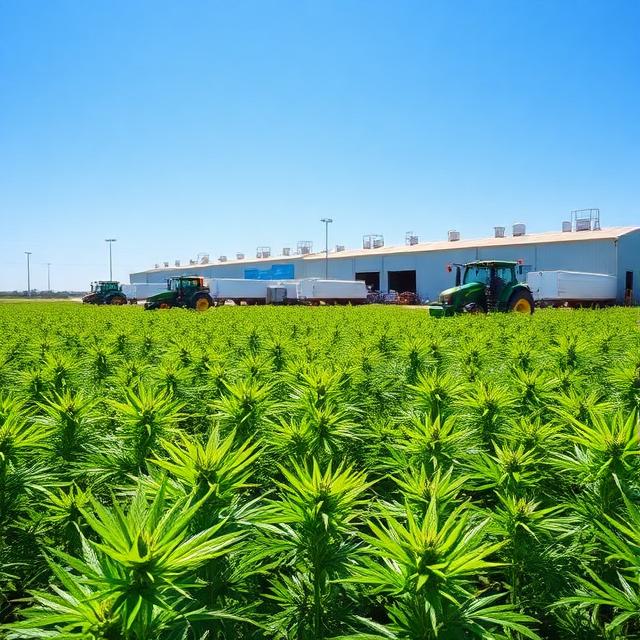
A hemp supply chain is the end-to-end system that moves hemp from cultivation to finished products, covering every stage of production, sourcing, processing and distribution. It begins with farmers who plant and harvest industrial hemp, followed by processors who extract fibers, cannabinoids (like CBD) or seeds depending on the intended use. Manufacturers then convert these raw materials into goods such as textiles, wellness products, bioplastics or food items. The chain also includes quality testing, regulatory compliance, packaging, transportation, wholesale and retail distribution. A well-managed hemp supply chain ensures product safety, traceability, efficiency and adherence to legal standards throughout the entire lifecycle of the plant.
An organized hemp supply chain offers businesses a competitive advantage for several key reasons:
- Quality Control: Consistent cultivation and meticulous processing guarantee reliable cannabinoid profiles and high-quality hemp materials.
- Compliance and Testing: Global and regional regulations vary. A well-structured supply chain ensures adherence to legal THC limits, accurate labeling and proper documentation.
- Cost Efficiency: An efficient supply chain reduces waste, minimizes delays and lowers production costs effectively.
- Traceability: Companies maintain the ability to trace every batch to its origin, enhancing transparency and fostering consumer trust.
- Market Readiness: Robust supply chain systems enable companies to scale efficiently and confidently enter new markets.
Key Stages in the Hemp Supply Chain
- Genetics and Seed Selection: The success of hemp products starts with selecting appropriate seeds. Stable genetics lead to predictable cannabinoid content, robust plant health and compliance with THC limits.
- Farming and Cultivation: Farmers focus on soil health, irrigation and crop care to produce high-quality hemp biomass intended for flower production, fiber or cannabinoid extraction.
- Harvest and Biomass Preparation: Proper drying, trimming and storage practices are crucial to preventing mold, contamination and degradation, thereby preserving crop value.
- Processing and Extraction: Specialized facilities extract cannabinoids, fiber or nutritional components from the plant. Techniques like CO₂ extraction and ethanol extraction yield crude oil, distillate, isolate or other refined materials.
- Testing and Compliance Verification: Third-party laboratories assess cannabinoid content, pesticide levels, heavy metals, residual solvents and microbiological safety.
- Manufacturing and Product Development: This phase transforms hemp materials into finished products, including:
- CBD oils and tinctures
- Gummies and edibles
- Cosmetics and skincare
- Vape liquids
- Industrial fiber products
- Hemp seed food products
- Packaging, Labeling and Brand Presentation: Compliant packaging ensures accurate claims, safety warnings and transparency for consumers.
- Distribution and Logistics: Effective transportation and documentation processes facilitate the secure and legal delivery of hemp products to wholesalers, retailers and international markets.
Challenges Facing the Hemp Supply Chain
The hemp supply chain is still evolving, and businesses frequently face obstacles such as:
- Evolving regulations across countries
- Risks related to THC compliance
- Inconsistent biomass quality
- Fluctuations in market prices
- Delays in testing or shipping
- Complex cross-border documentation
These challenges underline the necessity of effective supply chain management and reliable industry partners.
The Future of the Hemp Supply Chain
The international hemp market is evolving toward:
- Increased automation and improved extraction technologies
- Greater regulatory alignment
- Environmentally sustainable farming methods
- Blockchain-enabled traceability systems
- Rising demand for minor cannabinoids and industrial hemp applications
As the hemp market expands, supply chain efficiency will play a critical role in the success of various brands.
The Hemp Supply Chain as the Backbone of the Industry
The hemp supply chain connects all facets of the industry, from farmers and processors to manufacturers and end consumers. A strong, efficiently managed supply chain ensures quality control, legal compliance, product safety and a dependable supply. Understanding the full supply chain is essential for anyone entering the CBD market, launching a hemp brand or expanding into industrial hemp materials.
Focusing on the hemp supply chain allows businesses to leverage market opportunities while maintaining high standards of quality and compliance. By implementing best practices in hemp processing, cultivation, and compliance, companies can ensure their products meet consumer expectations and regulatory requirements.
Share this content:
Related Posts